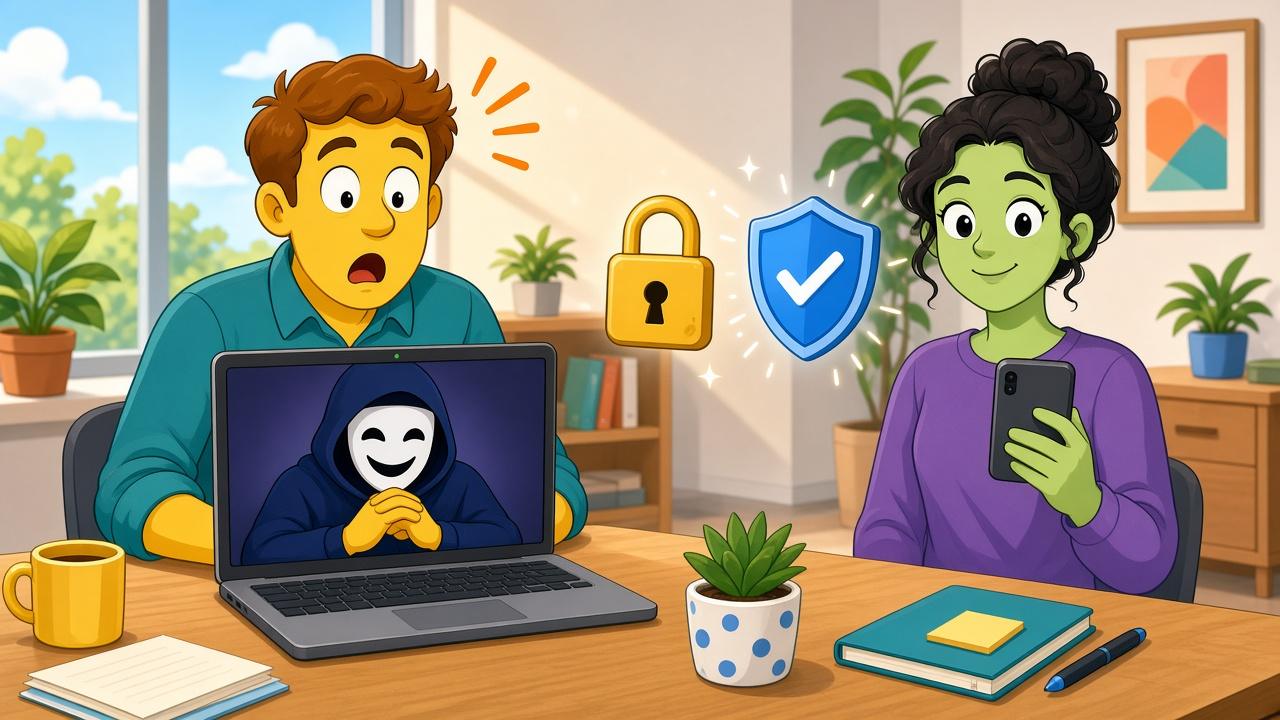
A voice you recognise and a face you trust on a video call are no longer proof that you are talking to the right person. Federal prosecutors in New York say three men used artificial intelligence to impersonate company executives and law-firm attorneys and talked employees into wiring more than $129 million between 2024 and 2026.
According to the prosecutors, the scheme relied on AI-generated voices and faces. Employees were contacted by what looked and sounded like senior managers or lawyers and were told that a confidential, time-sensitive deal required an urgent transfer of money. The three suspects were arrested in Spain and the United Kingdom, showing how such operations cross borders as easily as the payments they trigger. As with any criminal case, the accused are presumed innocent until proven guilty.
The case is a stark example of how far so-called deepfake fraud has come. A few years ago, fake executive scams mostly arrived as emails with spoofed addresses. Today, criminals can clone a voice from a short recording and animate a face convincingly enough to fool colleagues in real time.
Security experts have a simple message for companies: a familiar face or voice on a call should never be enough to approve a payment. Large or unusual transfers need a second check through a separate channel, such as calling the person back on a known number or confirming in person. Clear approval rules, a habit of questioning “secret” urgent deals, and training for finance staff are among the cheapest defences.
For everyday users the lesson is similar. If someone you know suddenly asks for money in an unusual way, pause, hang up and verify. In the age of AI, a quick second check can be worth millions.