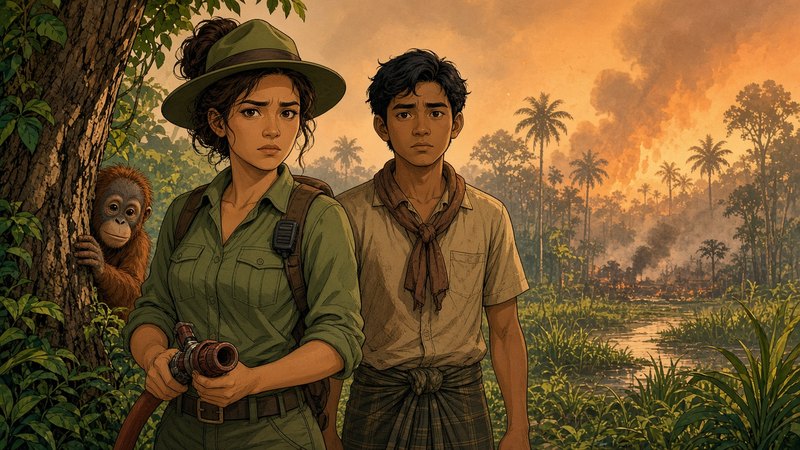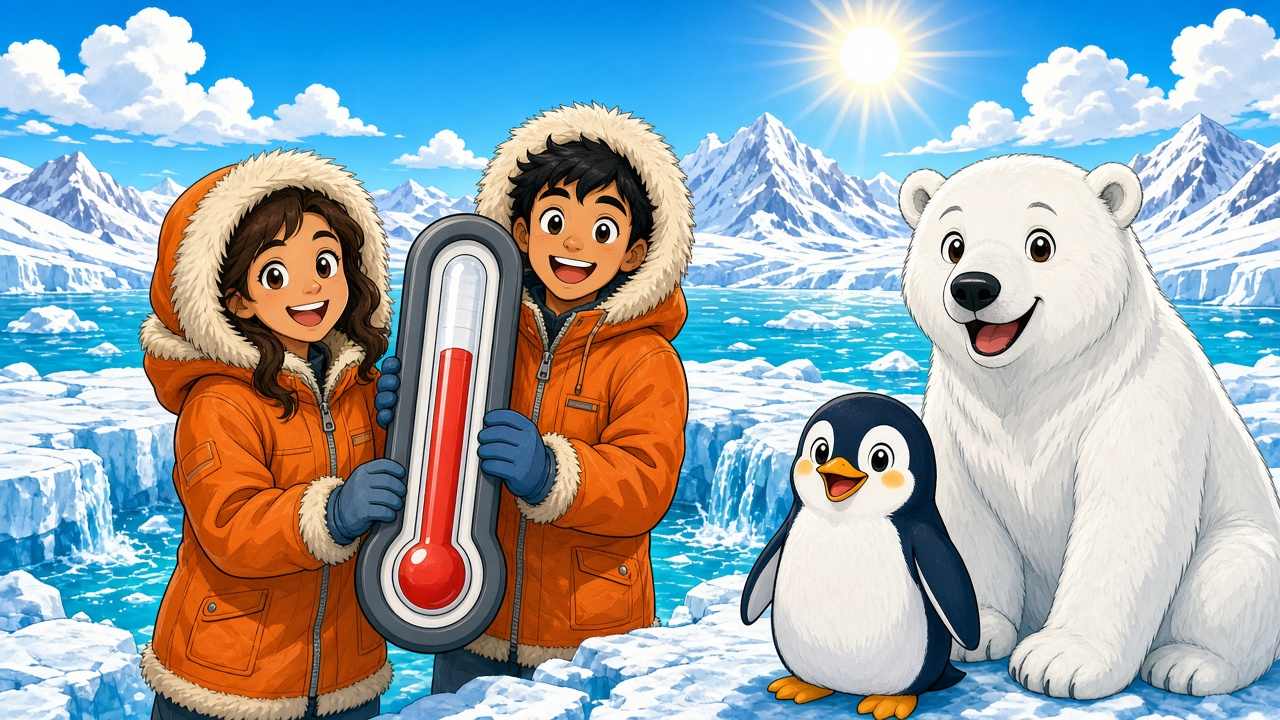
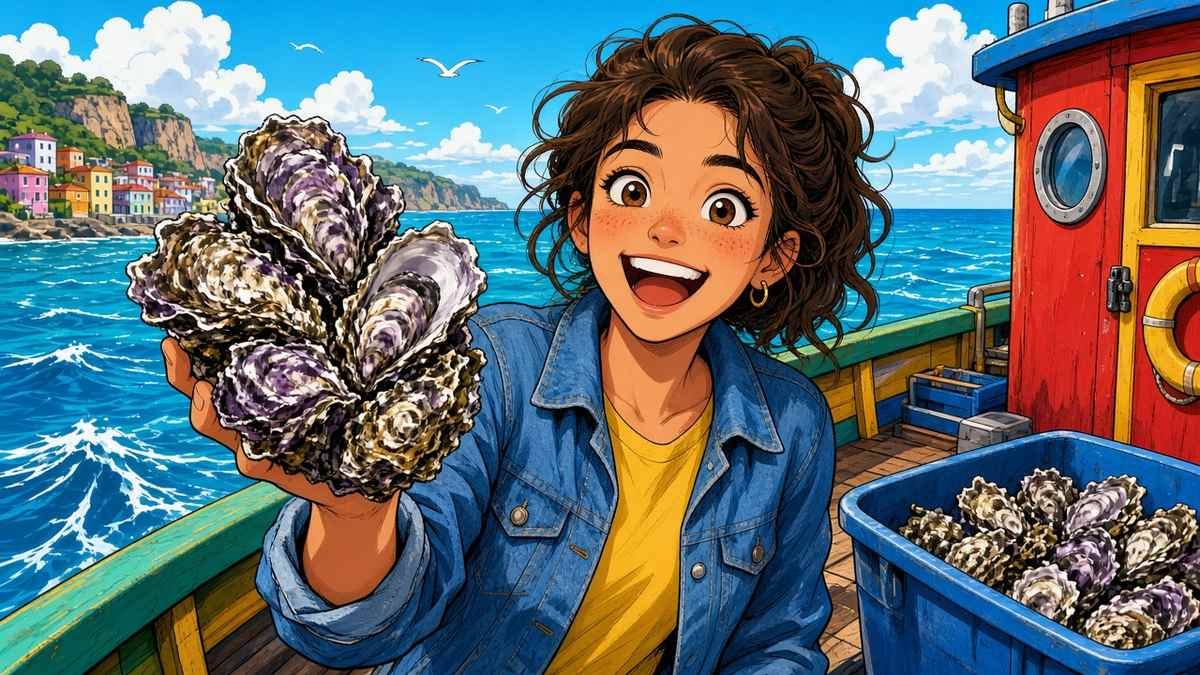

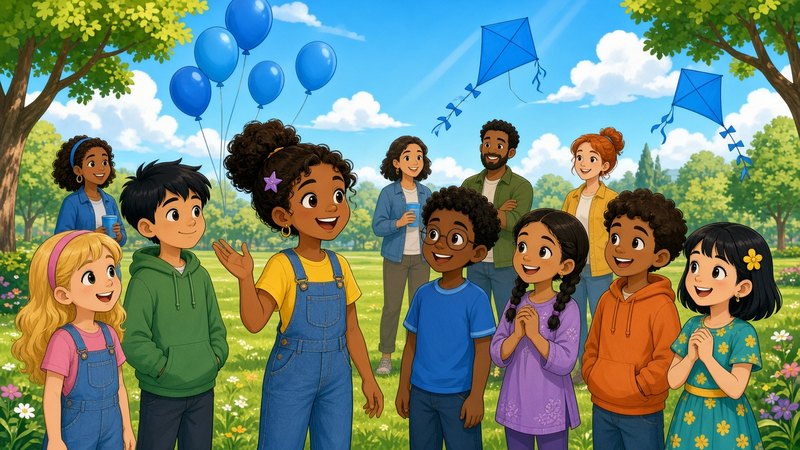
Every year on November 20, schools, cities and families around the globe mark World Children’s Day. Landmarks are lit up in blue, children take over classrooms, newsrooms and even parliaments for a day, and adults are asked to do something that sounds simple but is often forgotten: listen. In 2026, UNICEF has chosen the theme “My day. My rights. My future.” It is an invitation for children to tell world leaders what kind of future they want, and a reminder that this future is not a favour but a right.
The date was not chosen at random. On November 20, 1959, the United Nations General Assembly adopted the Declaration of the Rights of the Child. Exactly thirty years later, on November 20, 1989, it adopted the Convention on the Rights of the Child, a legally binding treaty that has since become the most widely ratified human rights agreement in history. World Children’s Day itself goes back to 1954, when it was first established as Universal Children’s Day to promote international togetherness and awareness of children’s welfare.
For UNICEF, the day is described as a “global day of action for children, by children.” That last part matters. Instead of adults speaking about young people, the idea is to hand them the microphone. In many countries, children step into the roles of mayors, news presenters, head teachers or company leaders for a few hours. Others write letters, draw pictures or record videos about the issues that worry them most, from school and safety to climate and the world they will inherit.
The campaign also comes with a clear message about choices. In UNICEF’s words, progress for children has always been the result of decisions taken by governments, communities and families. Today, as conflict, climate shocks and inequality threaten that progress, the decision to put children first matters more than ever. The organisation is calling on everyone, from presidents to parents, to listen to children, learn from their experiences and make sure their voices are heard.
What the Convention Promises Every Child
At the heart of World Children’s Day lies the Convention on the Rights of the Child. Its articles set out what every person under the age of 18 is entitled to, regardless of where they are born, what language they speak, what their parents believe or how much money their family has. The rights are often grouped into a few broad ideas that are easy to remember.
The first is survival and health. Every child has the right to life, to good-quality health care, to clean water, nutritious food and a safe environment. The second is development: the right to education, to play, to rest and leisure, and to take part in cultural life. Many people are surprised that play is written into an international treaty, but experts see it as essential for learning, creativity and mental well-being.
The third idea is protection. Children have the right to be protected from violence, abuse, neglect, exploitation and harmful work, and to receive special care if they are refugees, have disabilities or are separated from their families. The fourth idea, and perhaps the most radical when the treaty was written, is participation. Children have the right to express their views freely on matters that affect them, and to have those views taken seriously in line with their age and maturity.
Underpinning all of this are a few guiding principles. Rights apply to every child without discrimination. In all decisions concerning children, their best interests must be a primary consideration. And governments that have ratified the Convention commit to making these rights a reality through laws, policies and budgets, and to report regularly to an independent UN committee on how they are doing.
Why does the participation principle get so much attention on World Children’s Day? Because it is the one most easily overlooked. Adults routinely make decisions about schools, neighbourhoods, online platforms and public spending that shape children’s lives, often without asking them. The 2026 theme pushes back against that habit. “My day” emphasises that the occasion belongs to children. “My rights” ties their voices to legal commitments. “My future” points to the long-term stakes of choices being made today.
Taking part does not require a big stage. UNICEF encourages schools to hold discussions on children’s rights, to let students lead assemblies or to organise debates about the issues they care about. Parents can use the day to ask their children what they think about the world, what makes them feel safe and what they would change if they were in charge. Cities and companies can invite young people to share ideas and then, crucially, report back on what they did with them.
The colour blue has become the visual signature of the day. In past years, famous buildings, bridges and monuments in many countries have been illuminated in blue on November 20, and people are invited to wear something blue to show their support. It is a small gesture, but it helps to make a quiet subject visible on streets and social media feeds around the world.
World Children’s Day is not only a celebration. It is also a moment of honesty. Millions of children still lack access to basic services, quality schooling or protection from violence, and the challenges facing them are changing fast, from a warming planet to life online. Yet the day carries a hopeful message too. Many of the improvements in child survival, schooling and protection over recent decades happened because people decided they mattered.
That is perhaps the simplest way to understand the 2026 theme. A child’s day, rights and future are shaped by thousands of decisions made by adults every day. On November 20, children around the world are asking those adults to make those decisions with them, not just for them. Listening is the first step.