







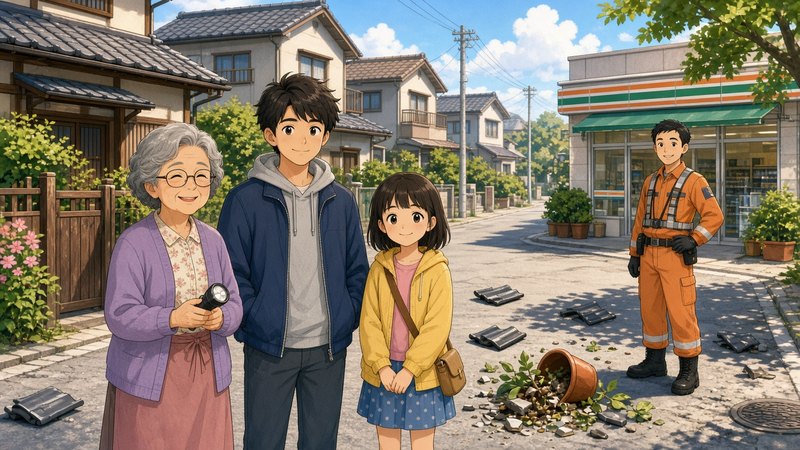
A magnitude 5.7 earthquake jolted central Japan in the middle of the night on Sunday, November 8, waking residents across the Tokai region and leaving more than 20 people hurt. According to the Japan Meteorological Agency (JMA), the quake hit at 1:04 a.m. local time. Its focus lay beneath the western part of Shizuoka Prefecture, roughly 40 kilometers underground. The magnitude is a preliminary figure; the U.S. Geological Survey put it slightly lower, at 5.5.
The strongest shaking was measured in Chita, Aichi Prefecture, which registered upper 5 on Japan’s seven-level seismic intensity scale. At that level, most people struggle to walk without holding on to something, and furniture that is not secured can fall over. Lower 5 was recorded in parts of Aichi, Nagano and Gifu prefectures. No tsunami warning was issued.
Kyodo News reported that over 20 people were injured in Aichi and Shizuoka, and some local media counts rose to 24, mostly with minor injuries such as falls. No deaths were reported. In Shizuoka, one of those treated was a woman in her nineties who hurt her shoulder after falling out of bed during the shaking. In Toyohashi, a car dealership’s windows shattered, and a large bookstore in Toyota city saw its stock tumble from the shelves.
Operator Chubu Electric Power said it found no abnormalities at the Hamaoka nuclear power plant in Shizuoka, which sits near the projected source area of a feared Nankai Trough megaquake. The JMA described the chance that Sunday’s tremor was connected to such an event as “low.”
Some local train lines halted services for safety checks, and Tokaido Shinkansen bullet trains ran at reduced speed between Shizuoka and Gifu-Hashima before returning to normal operations before noon. The central government set up a liaison office to coordinate its response, and smaller aftershocks were reported.